
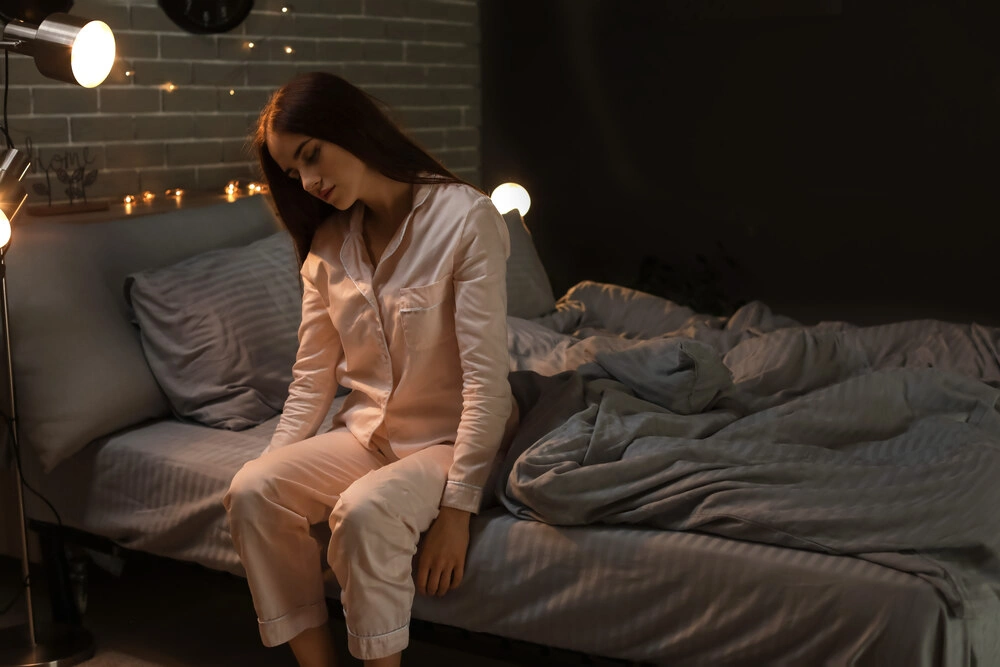
Sleep walking, also known as somnambulism, is a sleep disorder that causes individuals to walk or perform other complex behaviors while in a deep sleep. While it might seem harmless at first, sleep walking can pose significant risks to the individual and those around them. From physical injuries to disrupted sleep patterns, the consequences of untreated sleep walking disorder can impact daily life and overall health.
At Atlanta Pulmonary and Sleep Solutions, we specialize in diagnosing and treating sleep disorders, including sleep walking, with personalized care plans designed to help you or your loved ones regain restful, restorative sleep.
What Is Sleep Walking Disorder?
Sleep walking typically occurs during the non-rapid eye movement (NREM) stage of sleep, when the brain is partially awake and partially asleep. During this time, individuals may get out of bed, walk around, and even perform routine activities—all without being aware of their actions.
Common Behaviors in Sleep Walkers:
- Walking or wandering around the home
- Talking, often without making sense
- Performing activities like eating, moving objects, or dressing
- Attempting to leave the house
Sleep walking episodes can last from a few seconds to over 30 minutes, and individuals typically have no memory of the event upon waking.
Causes and Triggers of Sleep Walking
Sleep walking disorder is often linked to a combination of genetic, environmental, and physiological factors.
Common Causes and Triggers Include:
- Sleep Deprivation: Lack of sufficient sleep can increase the likelihood of sleep walking episodes.
- Stress and Anxiety: Emotional distress often disrupts normal sleep patterns, triggering sleep walking.
- Medications: Certain medications, especially sedatives or sleep aids, can cause sleep walking as a side effect.
- Sleep Disorders: Conditions like sleep apnea or insomnia can contribute to disrupted sleep and somnambulism.
- Alcohol Consumption: Drinking alcohol before bed may interfere with deep sleep stages.
- Genetics: A family history of sleep walking increases the likelihood of experiencing the disorder.
Risks Associated with Sleep Walking
While sleep walking itself isn’t harmful, the actions taken during an episode can lead to serious risks:
- Injuries: Sleep walkers may bump into furniture, fall, or unknowingly put themselves in dangerous situations.
- Sleep Disruption: Repeated episodes can disturb the individual’s overall sleep quality.
- Impact on Relationships: Sleep walking can be unsettling for bed partners or family members.
For these reasons, addressing sleep walking is crucial to ensure safety and improve overall sleep health.
How Atlanta Pulmonary and Sleep Solutions Can Help
At Atlanta Pulmonary and Sleep Solutions, we take a comprehensive approach to diagnosing and treating sleep walking disorder. Our team of sleep specialists uses advanced techniques to uncover the underlying causes of your sleep disturbances and develop tailored treatment plans.
Our Process Includes:
- Thorough Evaluation:
We start by understanding your medical history, sleep habits, and any other symptoms you may experience. A detailed evaluation helps us identify potential triggers for sleep walking. - Sleep Studies:
Our state-of-the-art sleep center offers sleep studies to monitor your sleep patterns and behaviors. These studies provide valuable insights into the stages of sleep and help pinpoint related issues like sleep apnea or restless legs syndrome that may contribute to sleep walking. - Personalized Treatment Plans:
Based on your diagnosis, we create a customized treatment plan that may include:- Cognitive Behavioral Therapy (CBT): Designed to address stress, anxiety, and poor sleep hygiene.
- CPAP Therapy: For patients with underlying sleep apnea, CPAP can improve breathing and reduce sleep disturbances.
- Lifestyle Modifications: Guidance on improving sleep habits, managing stress, and creating a safe sleeping environment.
- Medication Management: In some cases, medication may be prescribed to reduce the frequency or severity of episodes.
- Ongoing Support:
Sleep walking is often a chronic condition, but with consistent monitoring and adjustments, we help patients achieve long-term improvements in their sleep quality and safety.
Tips for Managing Sleep Walking at Home
While professional treatment is essential, there are steps you can take at home to minimize the risks associated with sleep walking:
- Create a Safe Environment: Remove sharp objects, lock doors and windows, and secure staircases to prevent injuries.
- Establish a Consistent Sleep Schedule: Regular sleep patterns can help reduce the likelihood of episodes.
- Limit Stimulants: Avoid caffeine and alcohol, especially in the evening.
- Practice Relaxation Techniques: Stress management strategies, such as meditation or deep breathing, can promote better sleep.
- Inform Your Family: Make sure household members know how to respond safely if they encounter a sleep walking episode.
When to Seek Professional Help
If sleep walking episodes are frequent, severe, or causing safety concerns, it’s time to consult a sleep specialist. At Atlanta Pulmonary and Sleep Solutions, we’re here to guide you toward better sleep health with expert care and innovative treatments.
Take the First Step Toward Better Sleep
Sleep walking doesn’t have to disrupt your life or put your safety at risk. With the right diagnosis and treatment, you can regain control of your sleep and enjoy restful nights once again.
At Atlanta Pulmonary and Sleep Solutions, we’re dedicated to helping patients overcome sleep disorders and achieve healthier, more restorative sleep. Contact us today to schedule a consultation and learn how we can help.